
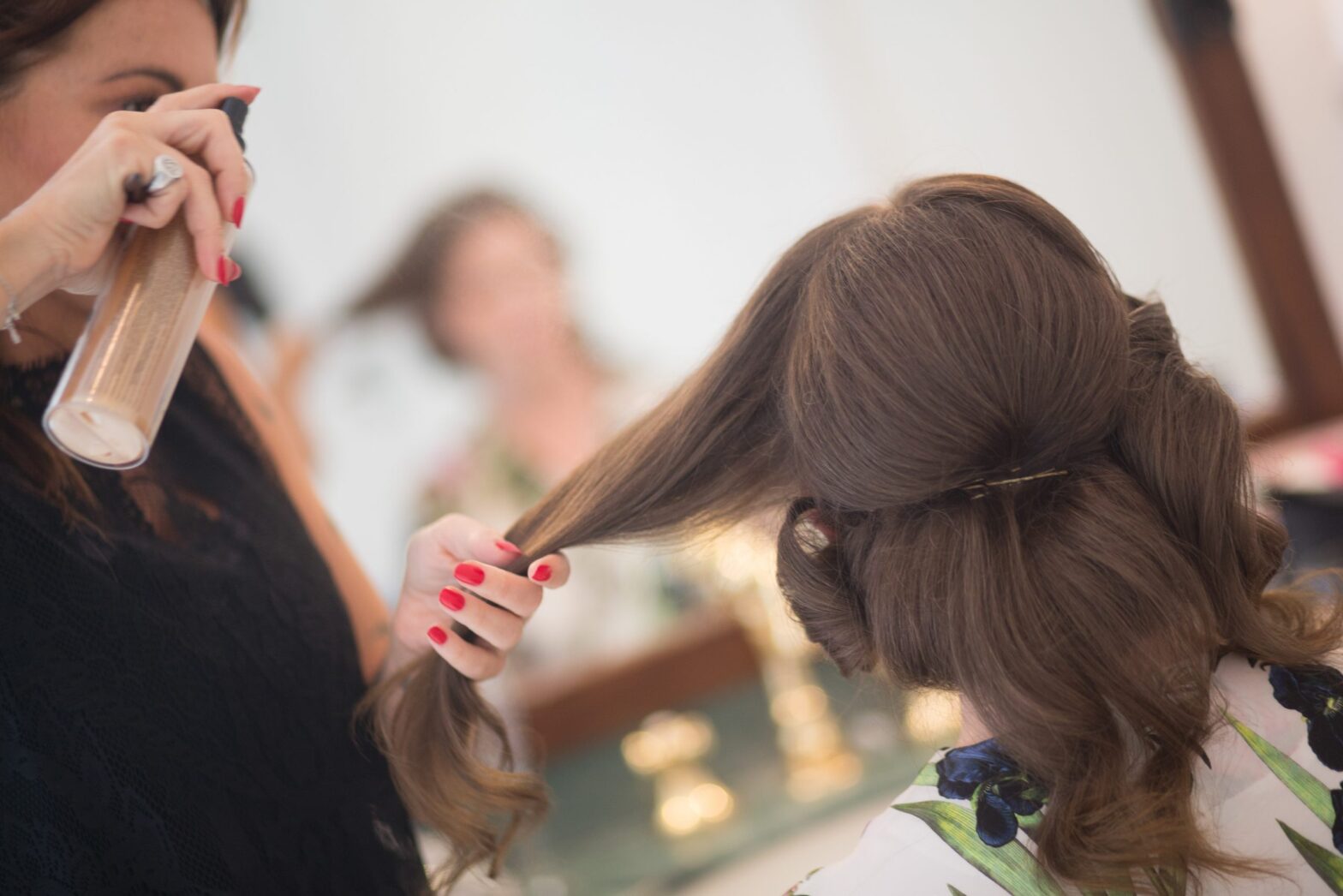
A hair styling course is more than just learning to comb and curl hair. Learning hair styling techniques through a professional course can transform your creativity into a rewarding career. From perfecting curls to crafting elegant updos, you’ll gain hands-on experience that helps you style like a professional.
1. Blow-Drying and Volume Techniques
Blow-drying is the foundation of professional hair styling. In a hair styling course, you’ll learn how to:
- Create smooth, sleek finishes
- Add volume and lift for body and bounce
- Use round brushes, paddle brushes, and diffuser attachments effectively
- Protect hair from heat damage with professional techniques
Mastering blow-drying ensures your clients leave with salon-quality results every time.
2. Hair Straightening and Curling
Whether clients want pin-straight hair or bouncy curls, you’ll gain hands-on experience in:
- Using flat irons for sleek, frizz-free looks
- Curling hair with irons, wands, and rollers
- Combining straight and curled sections for layered or textured effects
- Understanding heat settings for different hair types
This skill is essential for creating versatile looks for daily styling, events, or photoshoots.
3. Braiding and Plaiting Techniques
Braids are timeless and versatile, making them a crucial skill in a hair styling course. You’ll master:
- Classic three-strand, French, and Dutch braids
- Fishtail and rope braids for intricate styles
- Combining braids with updos for weddings and special events
- Creative styling for editorial or photo shoots
Braiding techniques elevate your styling repertoire, offering clients elegant and contemporary options.
4. Updos and Formal Styling
Special occasion styling is in high demand. You’ll learn:
- Low buns, chignons, and twists
- Structured and relaxed updos
- Bridal and prom hair techniques
- Incorporating accessories for polished finishes
Updos require patience, precision, and creativity, all of which are emphasised in a professional course.
5. Hair Extensions and Weaving
Extensions allow for added length, volume, or highlights. In a hair styling course, you’ll explore:
- Tape-in, clip-in, and sew-in methods
- Blending extensions seamlessly with natural hair
- Maintenance and removal techniques
- Choosing quality products for safe, long-lasting results
Proficiency in extensions broadens your services, making you a versatile stylist.
6. Hair Cutting Basics
While styling is important, understanding basic hair cutting is essential for professional results. You’ll gain skills in:
- Trimming for healthy ends
- Layering to enhance style
- Texturising for volume and movement
- Custom cuts tailored to client face shapes and preferences
Even a stylist focused on hair design benefits from knowing how cuts affect styling.
7. Colour Blending and Styling Integration
While advanced colouring requires specialist courses, a hair styling course teaches you how to work with coloured hair:
- Maintaining colour vibrancy while styling
- Choosing styles that complement highlights or balayage
- Using heat and products safely on coloured hair
- Blending styling techniques with texture and colour
Understanding colour integration ensures your styling enhances clients’ overall look.
8. Creative Styling for Editorial and Media
For those pursuing fashion or media work, creative styling is crucial. The course covers:
- Avant-garde styles for photoshoots
- Working with props, accessories, and themes
- Collaborating with makeup artists and photographers
- Styling for video and live media presentations
These skills prepare you for high-profile events and creative projects in the industry.
9. Hair and Scalp Care
Healthy hair is the foundation of great styling. You’ll learn:
- Assessing hair condition before styling
- Using professional products for different hair types
- Treatments for dryness, damage, or frizz
- Scalp care techniques for overall hair health
Clients appreciate stylists who care for their hair’s wellbeing while delivering beautiful styles.
10. Client Consultation and Personalised Styling
A key component of any hair styling course is learning to consult effectively:
- Understanding client needs and lifestyle
- Assessing face shapes and features
- Recommending suitable styles and products
- Communicating care instructions post-appointment
Excellent consultation skills build trust, ensuring clients return and recommend your services.
Australian Industry and Government Support
Australia recognises hairdressing and styling as valuable vocational skills. Government resources support career development and accredited courses. A helpful link is:
This site lists accredited training programs and career pathways for hair stylists.
Video Resource for Inspiration
Hair Styling Techniques for Beginners
This video demonstrates fundamental styling techniques and complements practical learning in a hair styling course.
Benefits of Completing a Hair Styling Course
Completing a hair styling course offers several advantages:
- Gain hands-on experience with professional tools and products
- Build confidence to work with all hair types and textures
- Develop creative and technical skills that are in high demand
- Access mentorship and professional guidance from experts
- Increase career opportunities in salons, freelance work, or media styling
By mastering these ten techniques, graduates leave the course ready to offer versatile, professional, and creative services.
Career Opportunities After a Hair Styling Course
Graduates of a hair styling course can pursue diverse opportunities:
- Salon stylist or senior stylist
- Freelance stylist for weddings, events, and photoshoots
- Hair extensions and treatment specialist
- Editorial, fashion, or media stylist
- Salon manager or business owner
The combination of technical skill, creativity, and business knowledge ensures graduates are ready for a successful career in the beauty industry.
Tips to Maximise Your Hair Styling Training
- Practice consistently on models, friends, or mannequins
- Stay updated on trends and innovative techniques
- Build a professional portfolio showcasing your work
- Develop strong communication and consultation skills
- Explore additional courses for colouring or advanced cutting
- Network with peers and professionals in the industry
Following these tips ensures you get the most from your training and stand out as a professional stylist.
Final Thoughts
A hair styling course offers the perfect combination of creativity, technical skill, and professional development. By mastering essential techniques, graduates can confidently provide services, build a portfolio, and pursue a rewarding career in the beauty industry.
Whether you aim to work in high-end salons, freelance, or run your own salon, completing a hair styling course opens doors to endless opportunities and sets the foundation for long-term success.
