
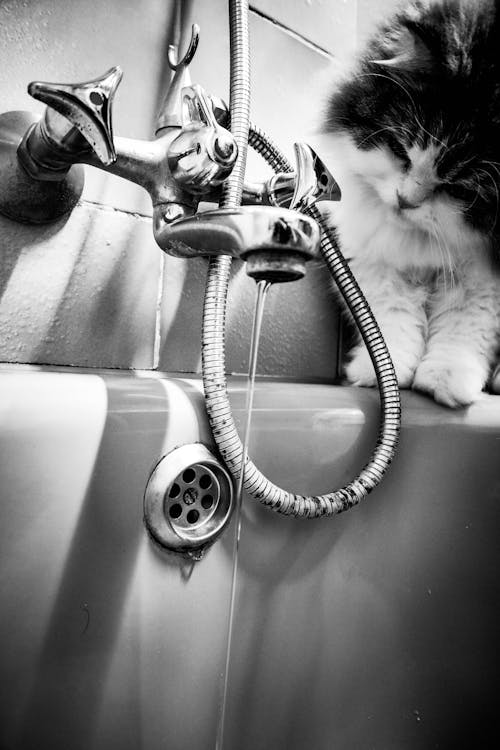
When most people think of kittens, they think of cute, cuddly, and playful creatures. What they don’t think of is the fact that kittens are also very delicate and need to be handled with care. This is especially true when it comes to bathing them.
While it may seem like a daunting task, bathing a kitten is actually not that difficult – as long as you know what you’re doing. In this article, we’ll walk you through everything you need to know about bathing a kitten, from what supplies you’ll need to how to actually do it.
What You’ll Need
Your kitten should be 6 weeks or older, as kittens younger than 6 weeks should not be given a bath. At this age, kittens should ideally still be with their litters. Excellent cat breeders would likely not give away kittens until they’re 10 weeks old.
Before you start bathing your kitten, there are a few things you’ll need to gather first. These items include:
- A sink, bathtub, or large container that your kitten can comfortably fit in
- Kitten shampoo (never use human shampoo on a kitten as it can be too harsh for their delicate skin)
- A dipper for pouring water over your kitten
- A towel for drying off your kitten afterward
- A toy or two to keep your kitten occupied during the bath (this is optional but can be helpful)
How to Bathe Your Kitten
Step One: Fill Up the Sink/Bathtub/Container With Warm Water
The first step is to fill up whatever vessel you’re using for the bath with warm water. The water shouldn’t be too hot or too cold – just comfortably warm. If you’re not sure if the water is the right temperature, test it out with your elbow or wrist before adding your kitten. If it’s too hot for you, it’s too hot for your kitten.
Step Two: Gently Place Your Kitten In The Water
Once the water is at the right temperature, it’s time to gently place your kitten in the sink/bathtub/container. It’s important to be as gentle as possible so that you don’t scare them. You may want to talk to them in a soothing voice as you lower them into the water.
If your kitten tries to jump out of the sink/bathtub/container, don’t worry – this is normal. Just try to keep them calm and let them know that everything is okay.
Step Three: Wet Their Fur With Water
Once your kitten is in the water, it’s time to wet its fur with some water. You can do this by using your hand or a dipper. Avoid getting any water in their eyes or ears.
If your kitten has long fur, you may want to use a comb to help wet it down all the way to the skin. This will help ensure that all of the shampoos comes out when it’s time to rinse them off later on.
Step Four: Apply Shampoo To Their Fur
Now that their fur is wet, it’s time to apply some shampoo. Be sure to use a shampoo that is specifically made for kittens – never use human shampoo as it can be too harsh for their delicate skin and fur.
Squeeze a small amount of shampoo into your hand and then rub it into their fur, making sure to avoid their face and ears. Once their fur is lathered up well, you can start scrubbing gently with your fingers – again avoiding their eyes and ears. It’s important not to have any soap enter into their eyes as this will irritate them immensely! Instead, focus on lathering up around their neck and working your way down their back towards their tail. If they have long hair, be sure to comb through it while shampooing so that every part of their coat gets clean.
Step Five: Rinse Their Fur Thoroughly With Warm Water
After you finish scrubbing their fur with shampoo, it’s time to rinse it all out completely with warm water. You can do this by using your hand or a cup/pitcher again – just make sure all of the soap suds are gone before moving on to step six!
Step Six: Dry Their Fur Gently With A Towel
After you’ve rinsed all the soap out of their fur, it’s time to dry them off. Simply wrap them in a soft, clean towel and gently pat their fur dry – don’t rub, as this can damage their delicate fur. If you have a blow dryer available, you can also use that on the lowest setting to help speed up the drying process (just make sure not to hold it too close to their skin or fur, as this can cause burns).
Once they’re mostly dry, you can let them finish air-drying the rest of the way or put them back in their carrier or crate until they’re completely dry.
Final Words
The first time bathing a kitten can be challenging, even for experienced cat owners. The important thing is to keep it a positive experience so that they learn not to be frightened. Considering that you’ll likely be bathing your cat for their entire life, it’s easier for everyone involved if they’re calm and relaxed during bath time. Treats and toys leading up to the kitten’s first bath can help, as well as keeping calm even if they start to panic.
