
In the ever-evolving landscape of technology, printers have remained a steadfast necessity, bridging the digital and physical worlds seamlessly. From humble beginnings as simple devices for transferring digital data onto paper, printers have undergone a remarkable evolution, spawning a myriad of types tailored to diverse needs. In this article, we delve into eight types of printers that are redefining modern workflows, each offering unique capabilities and applications.
1. Inkjet Printers: Inkjet printers utilize droplets of ink to produce high-quality prints with vibrant colors and sharp details. Ideal for home users and small businesses, these printers are versatile, affordable, and capable of handling various media types, from plain paper to glossy photo paper.
2. Laser Printers: Laser printers employ a laser beam to form images on a drum, which is then transferred to paper using static electricity and heat. Renowned for their speed and precision, laser printers are the go-to choice for offices and enterprises requiring large volumes of text documents.
3. 3D Printers: Revolutionizing manufacturing and prototyping, 3D printers create three-dimensional objects by depositing successive layers of material. From rapid prototyping to custom product manufacturing, these printers offer endless possibilities across industries like healthcare, aerospace, and automotive.
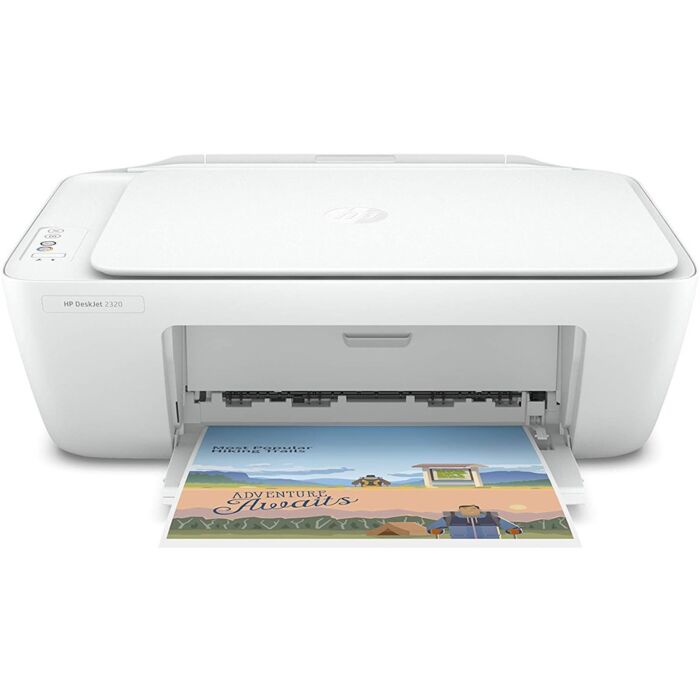
4. Multifunction Printers (MFPs): Combining printing, scanning, copying, and sometimes faxing capabilities into a single device, MFPs streamline workflow efficiency while minimizing space requirements. With advanced features such as duplex printing and wireless connectivity, these all-in-one printers cater to diverse office environments.
5. Thermal Printers: Utilizing heat to transfer ink onto paper, thermal printers are widely used in point-of-sale systems, shipping labels, and medical equipment. With no need for ink cartridges or ribbons, they offer low maintenance and high reliability, making them indispensable in fast-paced environments.
6. Wide-Format Printers: Designed for printing large-scale graphics and signage, wide-format printers excel in producing posters, banners, architectural blueprints, and engineering diagrams. With advancements in inkjet technology, these printers deliver stunning color accuracy and detail, catering to the needs of advertising agencies, design studios, and construction firms.
7. Digital Textile Printers: Empowering the fashion and textile industry, digital textile printers transfer designs directly onto fabrics, eliminating the need for traditional screen printing methods. From custom apparel to interior décor, these printers enable rapid prototyping and on-demand production, fostering creativity and reducing waste.
8. Portable Printers: Catering to the on-the-go workforce, portable printers offer compactness and convenience without compromising print quality. Whether in remote locations, fieldwork, or events, these battery-powered printers enable professionals to print documents and photos anytime, anywhere, enhancing productivity and flexibility.
In conclusion, printers continue to play a pivotal role in shaping modern workflows across industries, offering an array of options to meet diverse needs. From traditional inkjet and laser printers to cutting-edge 3D and digital textile printers, the evolution of printing technology shows no signs of slowing down. As demands for efficiency, versatility, and sustainability rise, printers will undoubtedly remain indispensable tools in our increasingly digitized world.
